Used vs Aftermarket vs Genuine Car Parts
When used parts win, when aftermarket is the right call, and when only genuine OEM will do — with a side-by-side comparison.
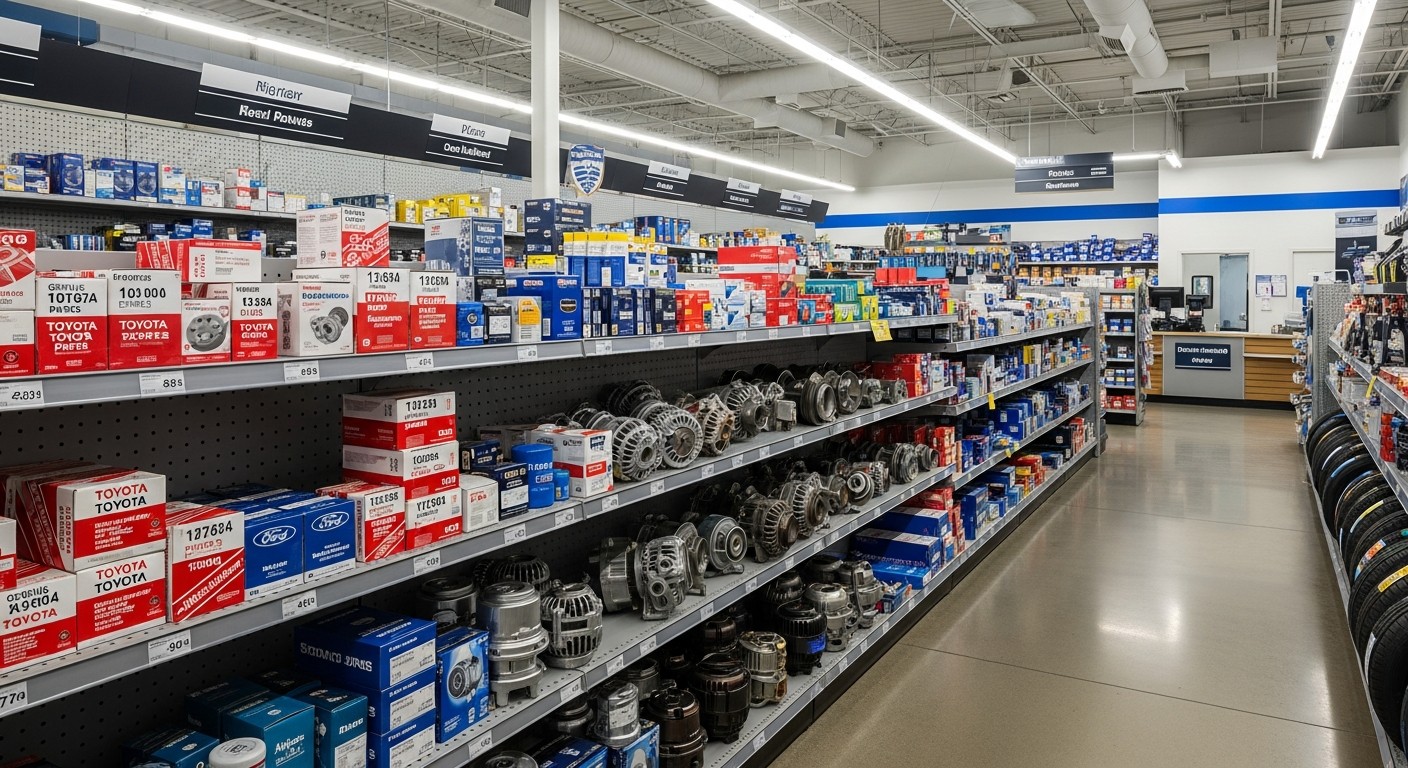
The three options
When a car part needs replacing you have three choices: used genuine OEM (pulled from another vehicle of the same model), aftermarket (a new part made by a third-party manufacturer), or new genuine OEM (bought new from the dealer). Each has a place — and the right choice depends on the part, the car, the age of the car, and what the car is for.
There's no universally "best" answer. A daily-driven 2008 commuter, a 2024 family SUV under warranty, and a weekend project ute have completely different right answers for the same broken part.
Used genuine OEM
Pros: Identical fit, identical finish, identical electronics. The cheapest option for major mechanical and body parts on cars over 5 years old. Won't void insurance or affect resale value because it's the same part the car came with from the factory. Often the only path for parts on discontinued models, where new OEM is no longer manufactured at any price.
Cons: Has been used. Mileage and condition vary between donor vehicles. Limited warranty (usually 30 days for mechanical, fitment-only for cosmetic). Availability depends on whether wreckers have a donor car of your exact model in stock right now — for popular cars that's days, for rare imports that can be months.
Best for: panels, lights, interior trim, engines, transmissions, ECUs, factory accessories — basically anything that came on the car originally and where you want it to look and behave like factory.
Aftermarket
Pros: New, in stock, often available next-day from a parts shop or online supplier. Cheaper than dealer-new for common wear items (filters, brake pads, suspension bushes, body panels for popular cars). Can actually be higher-performance than OEM for things like brake pads, exhausts and suspension bushes if you choose a quality brand.
Cons: Quality varies wildly between brands and price points. Cheap aftermarket panels often don't sit right at the join lines, don't take paint evenly, and rust faster. Cheap aftermarket electronics often fail or trigger warning lights the dash isn't programmed to clear. Some insurers will refuse a claim if a non-OEM safety part is fitted at the time of an accident, particularly for airbags, seatbelts and ADAS-related sensors.
Best for: routine wear items, performance upgrades from reputable brands (Bosch, NGK, Brembo, Bilstein, etc.), and panels for very common cars where the aftermarket supply is mature and quality is well-known.
New genuine OEM (dealer)
Pros: Brand new, fits perfectly, full manufacturer warranty (usually 12 months / 20,000 km parts warranty on top of any vehicle warranty). The right choice for safety-critical parts, anything still covered by warranty, and high-value or near-new cars where resale value and a clean service history matter.
Cons: Expensive — often 3–5× the used price and 2–3× a quality aftermarket part. Lead times can be weeks for slow-moving parts, and months for parts shipped from overseas. Not always available for older models — manufacturers eventually discontinue parts and once they're gone, they're gone.
Best for: cars under warranty, safety-critical components on modern vehicles, anything where the workshop or dealer requires a genuine part as a condition of their work warranty.
How to choose, by part type
Safety-critical parts (airbags, seatbelt pretensioners, ABS modules, brake calipers): used OEM or new OEM. Avoid cheap aftermarket. Used airbags must be undeployed, in date, and supplied with a donor history.
Body panels and trim: used OEM is usually the best value, especially for factory paint codes — a good wrecker can match the existing paint without a respray. Aftermarket panels can be acceptable for very common cars (Hilux, Ranger, Commodore, Falcon) but are rarely a perfect fit out of the box.
Mechanical (engines, transmissions, suspension, diffs): used OEM is the value sweet spot if the donor vehicle has reasonable kilometres and the seller will give you a warranty in writing. New OEM only really makes sense if the car is under warranty or very high-value.
Wear items (filters, pads, fluids, bushes, belts, hoses): aftermarket from a reputable brand is fine and often better value than dealer-new. Don't bother going used.
Electronics (ECUs, BCMs, modules, instrument clusters): used OEM, programmed to your VIN. Aftermarket reproductions are a false economy — they often work for a few months then fail, and they can trigger immobiliser issues that take days to diagnose.
What insurance and warranty mean for the choice
If your car is still under manufacturer warranty, fitting a non-OEM part to a system the manufacturer covers can give them grounds to deny a future warranty claim on that system. Read the warranty book, not the dealership's interpretation of it.
If your car is the subject of a comprehensive insurance claim, your insurer will usually specify whether the repairer must use new OEM, used OEM or aftermarket. Cheaper policies more often allow used and aftermarket. Either way, if the repairer fits a part inferior to what the policy specifies, that's their problem to fix, not yours.
Resale value: the often-forgotten factor
A car with a service history full of genuine OEM parts holds value better than the same car with a folder full of cheap aftermarket. A car with visibly mismatched aftermarket panels (wrong shade of white, wavy gaps) loses value faster than the same car with used OEM panels in factory paint.
For cars you intend to keep five-plus years, aftermarket on wear items is fine — they'll be replaced again before you sell. For cars you intend to sell in the next 12 months, used OEM is almost always the better choice, even at a small price premium over aftermarket.
A worked example: replacing a front bumper
A 2017 Mazda 3 SP25 needs a new front bumper after a parking knock. The three options:
Used genuine OEM in the original Soul Red paint code from a wrecker: around $350–$500 plus freight. Bolts straight on. Paint may need a quick polish but won't need a full respray. Indistinguishable from factory once fitted.
Aftermarket bumper in primer from an online parts shop: around $250–$320 plus freight, plus $400–$600 to paint. Total $650–$920. Fitment is usually acceptable but not perfect — you may need to massage the mounting tabs, and the panel gaps to the guards and bonnet often aren't quite right.
New genuine OEM from the dealer in primer: around $900–$1,100 plus the same paint cost. Total $1,300–$1,700. Perfect fit. Worth it if the car is near-new and you care about resale or you're claiming on insurance.
On a 2017 SP25, the used OEM in the right colour is the obvious answer. On a 2024 SP25 still under warranty, new OEM is probably the right answer. On a 2010 base-model Neo at trade-in time, the cheap aftermarket might be the right answer. Same part, three correct decisions.
Compatibility traps to watch for
Even within a single model year, sub-variants matter. Engine size and emissions tier change the ECU and exhaust. Trim level changes the wiring loom, the sound system, the seats and the dash. Optional safety packs change the camera mounts, sensor positions and ADAS calibration. A part that fits an SR fits the SR; whether it fits the SR5 depends on the part.
Aftermarket suppliers often advertise wide fitment ("fits 2014–2020 Hilux") that hides those sub-variant issues. Used OEM, sold against a specific donor VIN, is the safer way to buy when sub-variant matters.
Total cost of ownership, not sticker price
The cheapest part at the counter often isn't the cheapest part by the time the car is back on the road. Cheap aftermarket panels need more paint preparation. Cheap aftermarket electronics need more diagnostic time when they trigger fault codes. Cheap aftermarket suspension wears bushes and mounts faster than the OEM it was bolted to.
Compare options on the all-in cost: part + freight + installation labour + paint or programming + the realistic probability of having to do the job again in three years. On that basis the gap between aftermarket and used OEM narrows significantly, and used OEM often wins outright.
Frequently asked questions
Will a used part void my insurance? Generally no, provided the repair is competent and the part is suitable for the vehicle. The exception is some safety-critical items (airbags, certain ADAS sensors) where individual insurers may require new OEM. Check your PDS or ring your insurer if in doubt.
Will a used part void my warranty? Only on the system the part affects, and only if the manufacturer can show the part contributed to the failure. The Australian Consumer Law also protects you against unreasonable warranty denials.
How do I know an aftermarket brand is reputable? Look for brands that supply the OEM market (Bosch, Denso, Hella, NGK, Brembo, Bilstein) — those are the same factories making OEM parts under their own labels. Avoid no-name eBay specials for anything that matters.
Frequently asked questions
What is the difference between used OEM, aftermarket and genuine new parts?
Used genuine OEM parts are pulled from another vehicle of the same model, so they fit and perform exactly like the original. Aftermarket parts are new but made by a third-party manufacturer with variable quality. Genuine new OEM parts are bought new from the dealer with full manufacturer warranty but at the highest price.
Will fitting aftermarket parts affect my insurance?
It can. Some insurers will refuse a claim if a non-OEM safety-critical part — such as an airbag, seatbelt component, ABS module or structural panel — is fitted. For safety-critical parts, used genuine OEM or new OEM is the safer choice.
When is aftermarket actually the right choice?
Aftermarket is generally fine for wear items like filters, brake pads, fluids and bushes, where the aftermarket version is often better value than dealer-new and quality is well understood. For panels, electronics and safety parts, used OEM is usually the smarter buy.
Are used OEM parts as good as new ones?
For fit and finish, yes — they are the same factory part. The difference is wear: a used part has been on the road, so condition varies and warranty is shorter. For mechanical items, look for a low-kilometre donor and a written warranty. For panels and trim, check for damage and matching paint codes.
Do used OEM parts affect my car's resale value?
No. Because used OEM parts are identical to the parts the car came with from the factory, fitting them does not affect resale value the way a poorly-fitted aftermarket panel or non-genuine electronic module can.
Ready to shop?
Browse 10,000+ used parts from verified Australian wreckers, or post a free parts request and have wreckers quote you direct.
Browse Parts Post a RequestJump straight to listings
Popular categories
Browse by state